Coping with Climate Change Anxiety: How to Care for our Minds, Bodies, and Planet
By Sanjita Ekhelikar, PsyD
Every day, social media and news outlets share with us headlines and frightening images of the impacts of climate change: unpredictable weather swings, unhealthy air quality, record-breaking temperatures, floods, wildfires, glacier meltings, and so on. We are also met with the lack of response and prioritization of these issues by people in power. This looming threat is extremely dysregulating to our minds and nervous systems, and can lead to increased feelings of fear, panic, and anxiety about our planet. If this resonates with you, you are not alone - you are one of many experiencing climate anxiety.
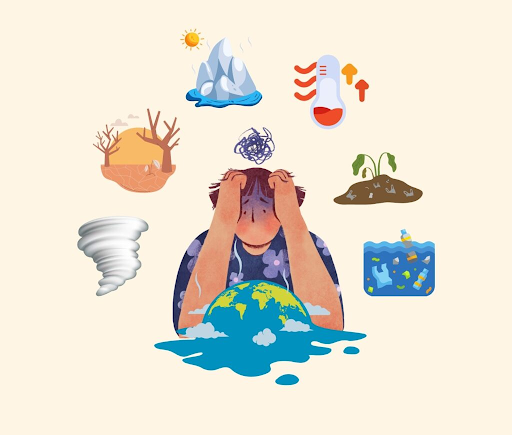
So, what is climate anxiety?
Climate anxiety refers to the distress that people feel in response to climate change and the threats this can pose to our bodies and our planet. Our bodies experience anxiety in response to feeling like we are in danger. The risks of the continuous changes in our climate, combined with knowledge of human contributions to this (fossil fuel burning, cutting down trees, etc.) can leave humans feeling panicked and scared for the future. Climate anxiety has led many of us to feel that we are not safe, and the continuous nature of this threat can create a lot of impacts on our bodies and minds. Data analysts have found that in 2026, almost 50% of adults reported increased anxiety about climate change that impacts their daily life.
Climate anxiety is not just “in your head”; it can be a physiological, emotional, and cognitive experience. People may experience increases in heart rate, hyperventilation, panic attacks, and problems sleeping. Climate anxiety can also present as increased irritability, trouble focusing, constant dread of the future, and difficulties in functioning at work or socially. Chronic experiences of climate-related distress can also show up as feelings of helplessness and hopelessness - we think and feel that we cannot change what is happening around us and are trapped.
Climate anxiety and climate justice
While many individuals around the country and world experience anxiety and dread about climate change, it is important to acknowledge communities and regions that are more heavily impacted by the shifts in climate and inactivity of people in power. We may all share experiences on the spectrum of climate anxiety, but communities and people impacted heavily by oppressive systems such as racism, inequity and inequality in funding and resources, ableism, and sexism are disproportionally affected by changes in our ecosystems. The threats to indigenous communities all around the world are prominent and significant. It is also crucial to acknowledge the future threats to younger generations as changes continue to ensue. Anxiety about the climate, as with many other mental health related experiences, is greatly impacted by the structural and systemic inequalities around us.
Why do we need to talk about climate anxiety?
In times of chronic stress and threat, one of the most important things we can do to support ourselves, our bodies, and our planet is to be open and vocal about what we are experiencing and feeling. As climate change continues, we continue to experience increased worries and difficulties with knowing how to cope with the anxiety while also supporting ourselves and each other. As this continues to be a pressing issue faced worldwide, conversations in and outside of therapy about climate anxiety become more needed.
How can we cope with climate anxiety?
Is it important to note that even as therapists, we are also grappling with the climate crisis and learning daily about how to cope with and support folks dealing with anxiety. Here are some strategies that may help in caring for our bodies, our minds, and our planet.
1. Educate yourself on climate change, but with boundaries.
It is important to be informed about what is happening around the world, especially in regard to shifts in climate. Information can be powerful. However, it is also important to set limits with information consumption, as overwhelming ourselves with jarring headlines can be dysregulating and lead to burnout or being desensitized to the news. Practice allotting 20-30 minutes of your day for intentional information consumption instead of letting headlines interrupt you throughout the day.
2. Refer to trustworthy organizations and sources for climate change information.
This is especially important in a time of misinformation and misleading messages from people in power.
Here are some resources to refer to: https://climatechangeresources.org/
https://www.instagram.com/elgordx_afuera/
https://www.instagram.com/gangesgal/
https://climatenetwork.org/
3. Remember that micro-actions matter.
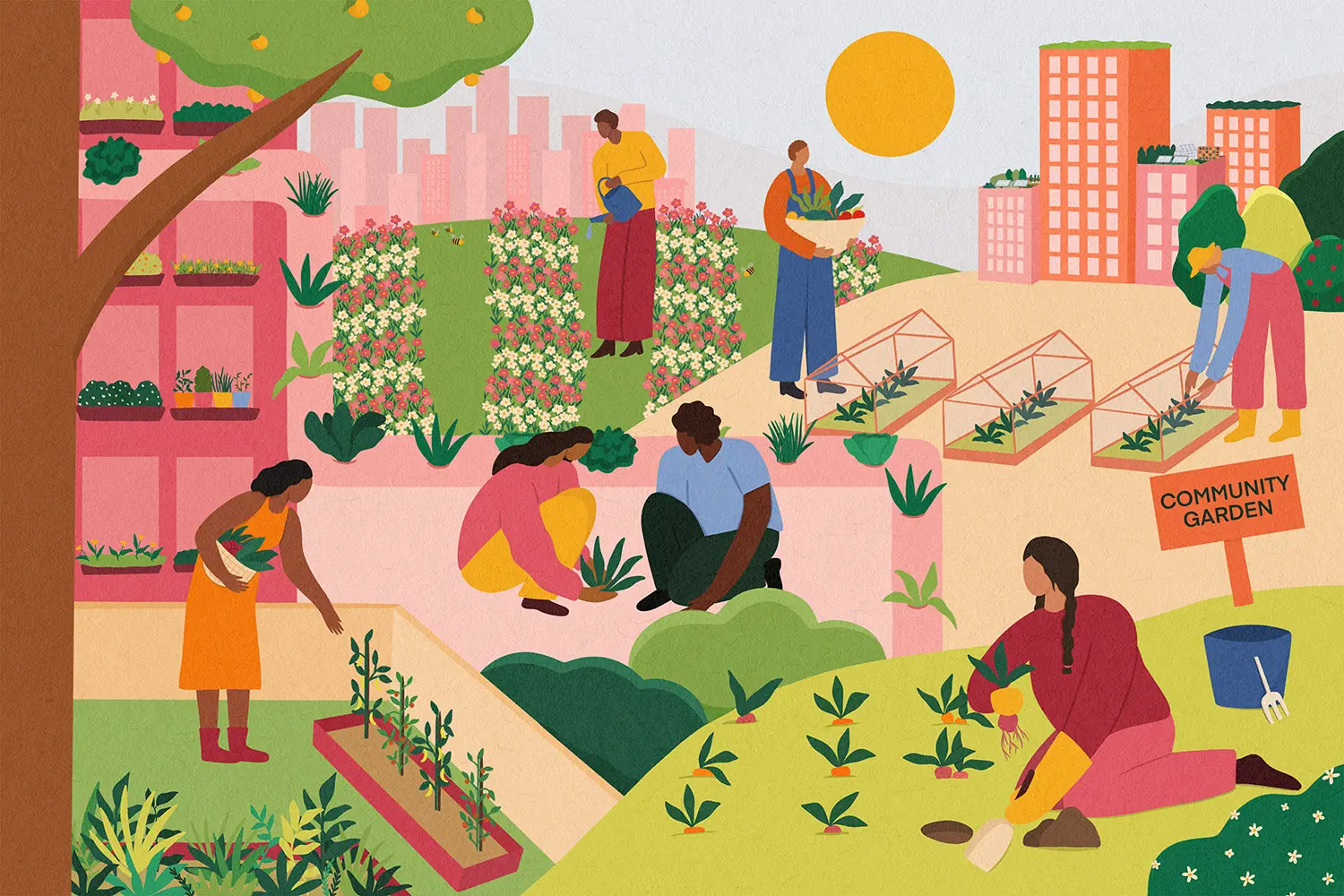
In moments of helplessness, we can often feel that nothing we do matters, which can increase our feelings of distress and anxiety. Look into “small” actions you can take - whether that be donating to a climate change organization if you are able to, replacing one item in your home with a more sustainable option, supporting a local community garden, or researching local causes/efforts. These actions can be as much for the planet as for our nervous systems!
4. Grounding yourself and your body.
Anxiety can make us feel not present in our day to day, especially when we experience it chronically. Engage in coping strategies such as deep breathing, with focus on slowing down the pace of your exhalations. For example, try a 4-7-8 breathing technique, in which you breathe in for four seconds, hold for 7 seconds, and breathe out for 8 seconds. You can also engage in grounding by going for a walk in nature and being aware of your 5 senses - notice what you see, hear, taste, touch, and smell.
5. Community is key.
Anxiety can lead us to isolating, and climate anxiety is no exception. One of the most powerful ways we can combat anxiety, as well as oppressive systems, is by connecting with others and organizing. Look for local organizations or efforts in your community focused on climate justice, advocacy, or efforts. You are not alone in your anxiety, and finding connection with others who may feel similarly can be a powerful tool for coping.
6. Remind yourself that what we may hear on the news is not how everyone views climate change.
Our anxieties can be amplified when we see people in power not taking this issue seriously. It is important to remember that there are many people out there across the spectrums of age, identity, profession, etc. who are also actively concerned about the state of the planet, and want to help.
7. Consider therapy, or talk about climate anxiety with your therapist if you haven’t before.
Therapy can be a source of support in processing the distress from climate anxiety. As mentioned, climate anxiety can lead to difficulties with sleep, impaired daily functioning, physiological symptoms, and heightened emotions. Therapy approaches such as Cognitive Behavioral Therapy, Acceptance and Commitment therapy, Emotion-Focused therapy, and Somatic-based therapy can help. If you are struggling in navigating the impacts of climate anxiety, please reach out for support.
About the Author: Dr. Sanjita Ekhelikar is a licensed psychologist at Manhattan Therapy Collective, and she enjoys working with people navigating anxiety, identity exploration, trauma, relationship concerns, and looking for ways to cope with stressors and difficult life situations. She is passionate about approaching such work from a culturally sensitive and social justice-oriented lens and understands that all people’s lived experiences matter in how they perceive the world and react to life events.